The New Benchmark: When Automotive Craft Meets Rotorcraft Innovation
Inside the design philosophy that bridges the gap between iconic road presence and airborne precision.
Alex Reynolds
Automotive & Aviation Analyst • June 15, 2025
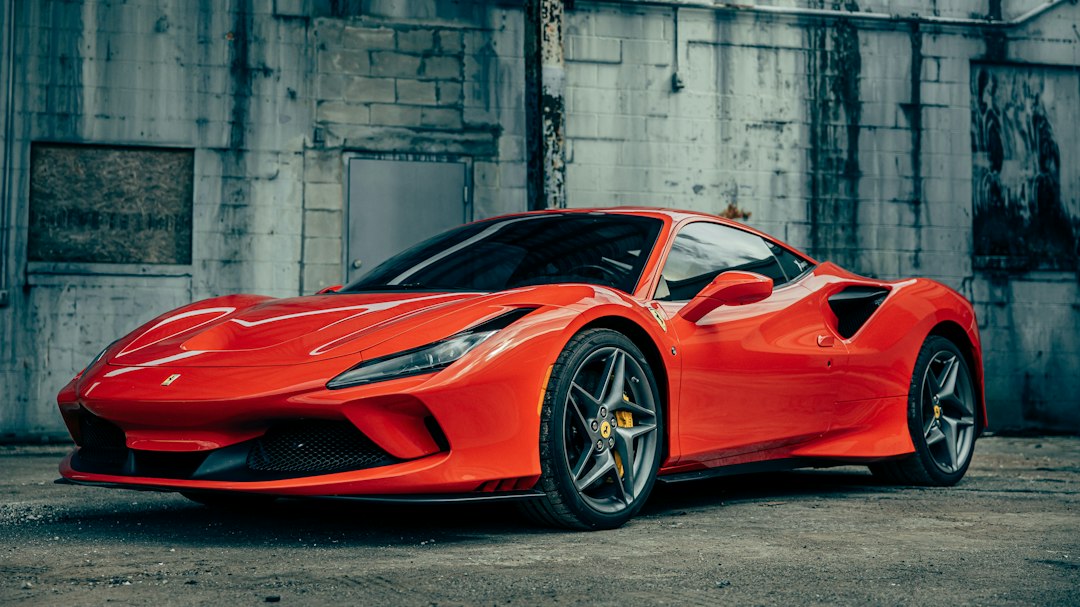
For decades, the worlds of luxury automobiles and executive rotorcraft have existed in parallel universes — one grounded in torque curves, the other in lift coefficients. Yet a closer examination reveals that the most prestigious manufacturers have been quietly converging on a shared design vocabulary, one that emphasizes emotional engagement, material integrity, and an almost obsessive attention to ergonomic perfection.
The modern flagship sedan and the cutting-edge light helicopter share more than a clientele. They share a philosophy: that performance is not merely a number, but a multi-sensory experience. From the weight of a door handle to the tactile feedback of a flight stick, every touchpoint speaks a language of precision.
Beyond Leather and Carbon: The New Material Frontier
Step inside any contemporary grand tourer and you will find surfaces that challenge traditional automotive assumptions. Open-pore wood, laser-etched aluminum, recycled ocean plastics woven with silk — these are not gimmicks; they are statements of intent. The cabin has become a sanctuary where sustainability and opulence coexist without compromise.
Rotorcraft designers are watching closely. The same suppliers who once provided quilted nappa leather for executive sedans now craft anti-fatigue seat cushions for long-range helicopter missions. The stitching pattern on a steering wheel finds its echo in the grip texture of a cyclic control. This cross-pollination elevates both disciplines, pushing the boundaries of what comfort means at altitude or on the autobahn.
Adaptive Acoustics
Active noise cancellation originally developed for open-cockpit aviation now silences road rumble in flagship sedans, creating a floating sensation that blurs the line between driving and soaring.
Predictive Dynamics
Chassis systems that scan the road ahead and adjust damping in milliseconds borrow directly from terrain-following radar logic used in low-level rotorcraft flight.
The result is a driving experience that feels less like piloting and more like presiding. The machine anticipates, adapts, and responds with a fluidity that was once the exclusive domain of avionics. This is not a coincidence; it is a deliberate strategy by manufacturers who understand that the modern consumer demands seamlessness across every mode of transport.
The Geometry of Desire: Shared Sculptural Logic
Look at a modern luxury coupe from a three-quarter angle, then compare its silhouette to that of a next-generation light twin helicopter. The same principles apply: negative space carved with intention, character lines that direct the eye, and a stance that suggests motion even at rest.
Consider the front fascia. Once dominated by chrome grilles, it has evolved into a sculptural element that manages airflow, houses sensors, and communicates brand identity. Helicopter nose cones and cockpit canopies have undergone a similar transformation, becoming integrated into a monolithic form that prioritizes aerodynamic efficiency and pilot visibility without sacrificing aesthetic drama.
"We are no longer designing vehicles; we are curating environments that happen to move." — Chief Design Officer, European Luxury Group
This convergence is most visible in lighting. Laser-based headlights that project precise beams beyond a kilometer are automotive counterparts to the LED searchlights and landing lights on executive helicopters. Both are designed not just to illuminate, but to assert presence and enhance safety through clarity and reach. The technology is shared, but the emotion is proprietary.
The Discreet Mathematics of Exclusivity
There is an unspoken contract between a luxury brand and its clientele. It is not about ostentation; it is about recognition among peers. The same logic governs the world of bespoke rotorcraft. Custom paint schemes, tailored interiors, and concierge-level maintenance programs mirror the white-glove delivery of a hand-built flagship automobile.
Dealerships and delivery centers are being redesigned to feel like private aviation lounges. The goal is not to sell a vehicle, but to onboard a client into an ecosystem of privilege. Test drives have become curated journeys, complete with route planning, gourmet stops, and post-drive analysis sessions that resemble pilot debriefings. Every interaction is engineered to reinforce the message: you are not buying a machine; you are joining a fellowship.
This shift reflects a broader trend in high-end mobility. The boundaries between personal transport categories are dissolving, replaced by a spectrum of curated experiences. Whether you are behind the wheel of a grand tourer or at the controls of a light helicopter, the operative emotion is the same: effortless command over distance and time.
The Horizon Ahead
As electric propulsion blurs the line between road and air, the lessons learned from luxury automotive design will accelerate innovation in vertical mobility. Expect to see more shared components, more cross-industry design teams, and more vehicles that feel as at home on a helipad as they do in a private garage. The future is not about replacing the automobile with the helicopter; it is about creating a seamless language of elite transportation that speaks to both.
Start Your Journey